
I know a lot of people are already in the dumps, with the party gone and nothing but litter, fencing, and the return of bad weather around. Hate to add to it, but here’s my story on how it’s going to be a long haul to ensure that all those things we loved about the Olympics — extra shelter space for the homeless, streetcars, pedestrian party streets and more — get put into place permanently.
The Post-Olympic Hangover Reality
The stark contrast between Olympic Vancouver and post-Olympic Vancouver is jarring. Just weeks ago, downtown streets buzzed with international visitors, street performers, and an infectious energy that made the city feel truly world-class. The temporary streetcar system whisked visitors between venues, extra shelter beds kept the homeless population largely invisible, and car-free zones created vibrant public spaces that felt European in their sophistication.
Now, with the Olympic machinery dismantled, Vancouver faces the harsh reality of returning to business as usual. The temporary infrastructure that made the Olympics work so smoothly – the additional transit capacity, the expanded social services, the pedestrian-friendly street configurations – was exactly that: temporary. The challenge now is convincing various levels of government and the public that these enhancements weren’t just Olympic window dressing, but genuine improvements to city life that deserve permanent status.
The Streetcar Struggle: A Case Study in Olympic Legacy Challenges
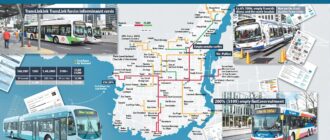
The Olympic Line streetcar perfectly illustrates the complexity of making temporary Olympic infrastructure permanent. During the Games, the heritage streetcar system transported thousands of visitors daily between Granville Island and the Olympic Village, providing both practical transportation and a charming tourist attraction that reinforced Vancouver’s image as a forward-thinking, environmentally conscious city.
However, the economics of maintaining this system are daunting. The streetcar requires dedicated maintenance facilities, specialized mechanics, and ongoing operational subsidies that weren’t factored into post-Olympic budgets. TransLink, already struggling with funding shortfalls, views the streetcar as a luxury rather than essential transit infrastructure. The federal and provincial governments, having spent billions on Olympic infrastructure, are reluctant to commit to ongoing operational costs for what they see as a tourist amenity.
The streetcar’s fate reveals a fundamental problem with Olympic legacy planning: the tendency to focus on capital costs rather than operational sustainability. The infrastructure exists, but the political will and funding mechanisms to maintain it do not.
Housing and Social Services: The Invisible Olympic Infrastructure
Perhaps nowhere is the challenge of maintaining Olympic improvements more morally pressing than in housing and social services. During the Games, Vancouver temporarily expanded shelter capacity, increased outreach services, and implemented coordinated strategies to address homelessness. These measures were largely successful in keeping the homeless population out of sight during the Olympics, but they also demonstrated what could be achieved with adequate resources and political commitment.
The additional shelter spaces were explicitly temporary, funded through special Olympic security and social measures budgets. As these funding streams dry up, service providers are facing the prospect of returning to pre-Olympic capacity levels, essentially abandoning the people who were temporarily housed and supported during the Games.
This creates a cruel irony: the very people who were most displaced by Olympic development and gentrification are now losing the temporary services that provided some compensation for their displacement. The moral case for maintaining expanded services is clear, but the financial and political mechanisms to do so remain elusive.
The Pedestrian Paradise Problem
The transformation of downtown streets into pedestrian-friendly spaces during the Olympics revealed Vancouver’s potential as a truly walkable city. Streets that had been dominated by traffic became vibrant public spaces where people lingered, performed, and celebrated. The success of these temporary pedestrian zones raised questions about Vancouver’s car-centric approach to downtown planning.
However, returning these streets to their pre-Olympic configurations involves complex negotiations with business owners, residents, and various city departments. Some businesses that initially opposed pedestrian zones during the Olympics have since recognized their value for attracting customers and creating atmosphere. Others remain concerned about accessibility and deliveries.
The challenge is that the Olympics provided a unique moment when normal rules and procedures could be suspended in service of a larger goal. In the post-Olympic environment, every change must go through standard city planning processes, environmental assessments, and public consultations that can take years to complete.
Political Will and Financial Reality
The fundamental obstacle to preserving Olympic improvements is the mismatch between political timelines and infrastructure timelines. The Olympics created a unique moment of political alignment where all levels of government were motivated to cooperate and spend money to ensure Vancouver’s success on the world stage. That alignment has already begun to fragment as governments return to their normal partisan positions and fiscal constraints.
Municipal politicians face the challenge of advocating for expensive Olympic legacy projects while simultaneously dealing with property tax increases and service cuts in other areas. The provincial government is grappling with Olympic debt and competing priorities across the province. The federal government has moved on to other national priorities, viewing the Olympics as a successfully completed project rather than an ongoing commitment.
The Legacy Challenge: From Event to Everyday
The broader challenge Vancouver faces is transitioning from an event-focused mindset to a legacy-focused one. The Olympics required massive coordination and investment over a defined period with clear success metrics. Maintaining Olympic improvements requires sustained political commitment, ongoing funding, and the less glamorous work of daily operations and maintenance.
This transition is complicated by the fact that many of the Olympic improvements were never intended to be permanent. They were designed as temporary solutions to temporary problems, not as foundations for long-term city building. Retrofitting these temporary solutions into permanent infrastructure requires additional investment and planning that wasn’t part of the original Olympic budget.
The next few months will be crucial in determining which Olympic improvements survive and which fade into memory along with the Games themselves.