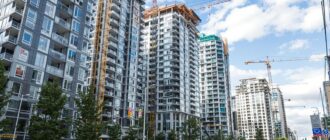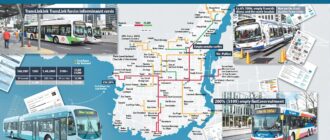

How do you feel about living in your newly named neighbourhood?
What’s new and welcome? What’s missing. Some of you have already commented under the previous post, especially about meeting minutes being missed for the Development Permit Board and the Downtown Eastside Local Area Planning Process.
A Digital Revolution in City Hall
The launch of vancouver.ca represents more than just a website redesign — it’s a fundamental shift in how our city government communicates with residents. After years of navigating the bureaucratic maze of the old municipal website, citizens can finally access information without needing a decoder ring or a degree in public administration.
The new interactive map system allows users to explore different district classifications, from electoral boundaries to community planning areas, all in one intuitive interface. However, this digital consolidation has revealed just how many overlapping jurisdictions and naming conventions exist within our city limits.
The Identity Crisis of Vancouver Neighbourhoods
One of the most fascinating aspects of the new site is how it exposes the ongoing identity struggles of Vancouver’s neighbourhoods. What do you call the area around 16th and Main? Is it Mount Pleasant, Riley Park, or something else entirely? The website attempts to reconcile official city designations with the organic neighbourhood names that residents actually use.
This naming confusion isn’t just academic — it affects everything from property values to community organizing. When residents can’t agree on what to call their area, it becomes harder to advocate for local issues or build cohesive community identity.
Digital Transparency vs. Information Overload
The redesigned site promises greater transparency, with easier access to development permits, council meeting minutes, and planning documents. But some longtime city watchers have already noted gaps in the digital archive, particularly around contentious issues like the Development Permit Board proceedings and the Downtown Eastside planning process.
“It’s great that information is more accessible,” says one regular council meeting attendee, “but only if all the information is actually there.” The challenge now is ensuring that the commitment to digital transparency doesn’t become an excuse for burying controversial documents in the vast digital landscape.
Looking Forward
As Vancouver continues to grow and change, this digital infrastructure will become increasingly important for civic engagement. The question remains: will it truly democratize access to city government, or will it create new barriers for those less comfortable with digital navigation?
The success of vancouver.ca will ultimately be measured not by its sleek design, but by whether it strengthens the relationship between city hall and the communities it serves.