
December 19th, 2012 · 158 Comments
In case no one guessed, I’m pretty much in full-time baking mode here with occasional forays into the outside world to discover what new commercial enterprises have opened and closed since last Christmas. A few heart-warming stories to come over the holidays but I’m going to go into low gear until after New Year’s Day here.
As always, this is your space now to start whatever conversation you want in our little colloquium of urbanistas.
A Year of Transformation
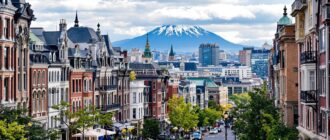
2012 has been a watershed year for Vancouver, marking significant shifts in how we think about urban development, sustainability, and regional identity. The city that emerged from the Olympic spotlight in 2010 has spent the past two years grappling with questions of affordability, livability, and what it means to be a “world-class” city.
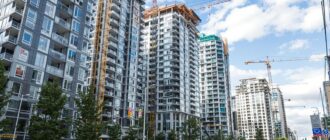
The housing market has reached new heights of unaffordability, with average home prices creating unprecedented barriers for middle-class families. Yet simultaneously, we’ve seen innovative responses: laneway housing gaining acceptance, micro-suites appearing downtown, and serious discussions about rental-only zoning. The tension between Vancouver’s desirability and its accessibility has never been more pronounced.
The Green City Paradox
Vancouver’s environmental leadership has become both a source of pride and internal tension. The city council’s ambitious green initiatives—from the neighbourhood energy utility to expanded bike lane networks—have generated passionate debate about priorities and implementation. Are we becoming a model eco-city or an expensive playground for the environmentally conscious elite?
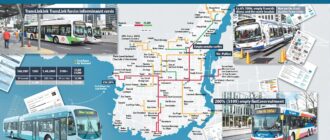
The Canada Line’s success has reshaped development patterns across the region, while the Evergreen Line’s construction promises to do the same for the northeast. Yet transit expansion hasn’t kept pace with population growth, leaving many residents feeling increasingly disconnected from Vancouver’s economic opportunities.
Regional Growing Pains
Metro Vancouver’s evolution into a genuinely polycentric region has accelerated this year. Surrey’s downtown core continues its rapid transformation, while Burnaby’s high-tech corridor expands. Richmond’s evolution from suburban enclave to urban center gains momentum with each new high-rise. These changes challenge traditional notions of center and periphery.
The relationship between Vancouver proper and its suburban neighbors has grown more complex. Regional governance structures strain under competing visions of density, transportation, and economic development. The Agricultural Land Reserve faces increasing pressure as development costs soar.
Cultural and Social Shifts
Perhaps most significantly, 2012 saw Vancouver grappling with questions of cultural identity and social cohesion. The city’s increasing diversity—linguistic, economic, and cultural—has created both opportunities and challenges. Neighborhood character debates have intensified, reflecting deeper anxieties about change and belonging.
The tech sector’s growth has begun reshaping both the economy and the urban landscape, though Vancouver still struggles to retain talent and capital. The creative industries that once seemed central to the city’s identity now compete with more lucrative sectors for space and attention.
So what’s your take on where we’ve landed?