
Over there on the left of the screen, people.
I attended a consultation session put on by the VSB last year about how to deal with closing schools and dipping enrollment in schools city-wide. It was a good sign that VSB was out doing a public consultation. However, these things are not easy to pull off. It is hard to strike the balance between “asking” and “telling.”
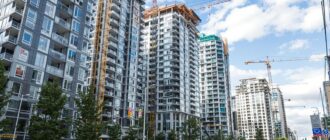
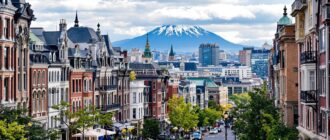
The Kingsgate mall was not mentioned, but here are two scenarios: (a) More Rize Towers facing off across Kingsway; or (b) A Mount Pleasant Brand urbanism.
The False Choice of Development Models
These two scenarios represent fundamentally different approaches to urban densification, each carrying profound implications for community character and social equity. The Rize Tower model—sterile glass monoliths that could exist anywhere from Dubai to downtown Vancouver—prioritizes developer profits and planning efficiency over neighborhood integration and human-scale urbanism.
Mount Pleasant’s organic urbanism offers a counter-narrative. Here, heritage buildings like the Lee Building anchor streetscapes while accommodating growth through thoughtful infill, lane-way housing, and adaptive reuse. This model preserves community memory while enabling evolution, creating spaces where longtime residents and newcomers can coexist rather than compete for territorial dominance.
The Transit Catalyst Question
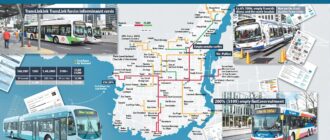
The Kingsgate site’s potential hinges entirely on transit infrastructure decisions that remain frustratingly elusive. Broadway’s B-Line groans under capacity constraints that render current service barely functional during peak hours. Without doubling transit capacity through dedicated rapid transit, any development at Kingsgate becomes an exercise in automobile-dependent planning—precisely the opposite of what Vancouver’s sustainability goals demand.
A transit station at this location could transform not just the immediate site but the entire Broadway corridor from Main Street to Commercial Drive. The question becomes whether planners will design around automobile access or bet on transit futures that may or may not materialize within development timelines.
Community Infrastructure vs. Market Forces
Buy-Low’s community partnership demonstrates how local businesses can anchor neighborhood identity while serving essential needs. Their support for Mount Pleasant Elementary through hot dog fundraisers exemplifies the kind of community investment that large chain retailers rarely provide. This relationship illustrates what gets lost when development prioritizes highest-and-best-use calculations over community ecosystem preservation.
The proposal for incubator retail spaces recognizes that healthy neighborhoods require economic diversity. Small businesses often cannot afford main street rents but can provide services and employment that multinational retailers ignore. Creating affordable commercial space for local entrepreneurs could generate the kind of authentic street life that makes neighborhoods walkable and socially vibrant.
The Human Scale Imperative
The vision of human-scale urbanism with mid-block open space connecting to surrounding neighborhoods represents sophisticated urban design thinking. Unlike tower-in-plaza developments that create windswept isolation, truly integrated development would extend existing street grids, create multiple pedestrian connections, and design public spaces that serve daily life rather than just marketing photographs.
The clock tower suggestion might seem quaint, but it reflects deeper principles about landmark creation and wayfinding in dense urban environments. Distinctive architecture helps residents develop emotional connections to place, transforming anonymous development into memorable community space.