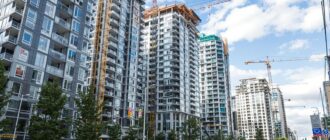

The city announced this week it was selling its land at 601 Beach Crescent to Pinnacle for $20 million, a promise of 152 units turned over to the city to be used for affordable housing, and no guarantee of any specific density in a planned rezoning. My story here.
That is sure to be watched closely by all, including Concord Pacific, which turned over some of its land for this parcel back in 1993, on the understanding that it was going to be a social-housing site. Concord is suing the city (as I reported previously) over this, saying the land was never turned over so it could be auctioned off to a private bidder.
We’ll all be waiting to see what happens next. It was hard to get a lot of information from the city or councillors on this, since this had been discussed in camera, but it sounds like Pinnacle may have the option to back out of the sale at some future point. (That was my interpretation, anyway, of somewhat guarded remarks.)
The Legal Minefield of Municipal Land Deals
This sale represents a fascinating collision between municipal housing policy, private property rights, and the politics of land speculation in Vancouver’s overheated real estate market. The city finds itself in the awkward position of selling disputed land while defending against litigation that challenges their very right to dispose of the property.
Concord Pacific’s lawsuit raises fundamental questions about the binding nature of community amenity contributions and whether municipalities can unilaterally redefine the terms of decades-old agreements. If Concord prevails, it could establish precedent that significantly constrains how cities handle land dedicated for specific community purposes, potentially affecting similar arrangements throughout British Columbia.
The Affordable Housing Shell Game
The promise of 152 affordable units sounds substantial until examined against Vancouver’s actual housing needs. With thousands on social housing waitlists and rental vacancy rates hovering near zero, this contribution represents a drop in an increasingly vast ocean of housing desperation. The lack of guaranteed density means Pinnacle could theoretically deliver minimal overall housing while still meeting their affordable unit commitment.
The arrangement also raises questions about long-term affordability maintenance. Will these units remain affordable in perpetuity, or will they eventually convert to market rates? The city’s track record on preserving affordable housing suggests healthy skepticism is warranted about whether today’s commitments will survive future development pressures.
Behind Closed Doors: The Democracy Deficit
The in-camera discussions that shaped this deal highlight a persistent tension in municipal governance between commercial confidentiality and public accountability. While some negotiation details legitimately require confidentiality, the extent of closed-door deliberation around major land transactions can undermine public trust in decision-making processes.
Councillors’ guarded remarks about Pinnacle’s potential exit options suggest deal structures more complex than public announcements revealed. These escape clauses could significantly alter the transaction’s risk profile, potentially leaving the city with neither the $20 million nor the affordable housing if market conditions change.
Market Timing and Political Calculations
The sale’s timing coincides with growing public pressure on Vision Vancouver to address housing affordability, making this deal as much about political optics as urban planning strategy. The city can point to concrete affordable housing delivery while monetizing a valuable asset, creating a narrative of proactive housing policy during an election cycle.
However, selling public land during a real estate bubble raises questions about opportunity cost. If the property appreciates faster than the city’s investment alternatives, taxpayers could lose significant value. Conversely, if the market cools, Pinnacle’s exit options could leave the city holding depreciated assets.
The Precedent Problem
This transaction may establish troubling precedent for future municipal land dealings. If cities can sell disputed land while litigation proceeds, it creates incentives for aggressive deal-making regardless of legal clouds on title. Similarly, if affordable housing commitments can satisfy community benefit requirements without density guarantees, developers gain leverage in future negotiations.