
This thoughtful column from former city councillor Peter Ladner raises critical questions about the future of regional planning in Metro Vancouver and challenges the effectiveness of one of Canada’s most ambitious urban development strategies.
The Collapse of Regional Vision
Peter Ladner, a veteran of municipal politics and former Vancouver city councillor, expresses deep concern about what he calls the “death” of the Livable Region Strategic Plan. This plan, developed in the 1990s, was designed to guide Greater Vancouver’s growth in a sustainable direction, concentrating development around transit nodes while protecting agricultural lands.
According to Ladner’s analysis, the original integrity of the plan has been undermined by political compromises and developer pressure. Instead of a clear division between “urban” and “rural” lands, the new version of the plan has fragmented the territory into industrial, mixed employment, general urban, and rural zones, which he argues dilutes the focus on compact development.
Transit Priorities Under Question
The decision by Metro Vancouver to prioritize the Evergreen Line and south-of-Fraser improvements over the Broadway-UBC extension draws particular criticism. Ladner sees this as a political decision rather than one based on transportation needs.
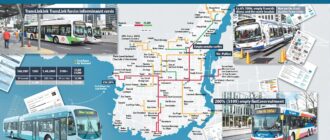
Overcrowded transit on the Broadway corridor remains without priority attention
The Broadway corridor already serves more than 100,000 passengers daily, with buses regularly overcrowded. Passengers are forced to wait for four or five buses before they can board. Meanwhile, the Evergreen Line, while necessary for Tri-Cities residents, is projected to carry only one-fifth the ridership of the Canada Line at similar cost.
The debate reveals deep regional divisions. Suburban residents argue that the Evergreen Line priority addresses severe commuting challenges, with some describing hour-long journeys from places like Maple Ridge to downtown Vancouver as “inhuman ordeals.” Vancouver residents, however, emphasize that the Broadway corridor’s existing overcrowding and higher ridership potential make it the logical choice for rapid transit investment.
Loss of Regional Planning Teeth
Metro Vancouver regional planning map shows the complexity of coordination
Ladner emphasizes that Metro Vancouver still lacks real authority to compel municipalities to comply with regional priorities. Municipalities continue to make decisions based on their own interests in generating tax revenue rather than regional needs for sustainable development.
The original draft included more stringent mechanisms for regional control over municipal decisions, but these proposals were rejected due to resistance from local authorities. The result is a toothless plan that can only recommend but not enforce compliance.
As one commenter noted, “Everyone cringed at the initial draft’s proposal for many more red-tape-bundled approvals by the region to prevent municipalities from taking dysfunctional shortcuts to new tax revenue.”
Threat to Agricultural Lands
One of the primary goals of the original plan was protecting the Agricultural Land Reserve (ALR) from development. However, Ladner warns that the new version of the plan inadequately protects these critically important territories.
The growth of “rural residential” development, essentially low-density suburban sprawl, threatens the region’s future food security. With rising oil prices and the need for local food production, the loss of agricultural land could have catastrophic consequences.
As one reader observed, “The agricultural land isn’t negotiable and the urban growth boundary is essential to making Vancouver sustainable. The ‘rural residential’ we see so much of is also a problem, but at least it’s not being overly built on. It will be there when peak oil begins to truly bite and we find we need a lot more local land for food production.”
The Gateway Project’s Shadow
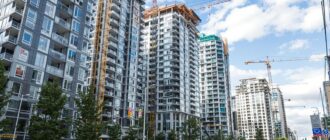
Construction cranes symbolize the region’s ongoing development
Parallel to the weakening of the regional plan, the provincial Gateway project—a massive road expansion program—received the green light without meaningful regional discussion. This project, including the expansion of the Port Mann Bridge and other transportation arteries, is effectively shaping the region’s future more than any official plan.
Ladner argues that Gateway will stimulate further car-oriented development, contradicting the principles of sustainable growth and public transit embedded in the original livable region plan. More than any regional plan voted on by elected local politicians, this scheme will shape growth in the region for the next 40 years and absorb much of the investment money from other, more innovative forms of development.
Consequences for Future Generations
Ladner’s analysis warns of long-term consequences of abandoning regional planning principles. Without clear guidance and enforcement, the region risks repeating the mistakes of other North American metropolises—uncontrolled sprawl, car dependency, and loss of valuable natural areas.
Particularly troubling is that these changes are occurring at a time when climate change and rising energy costs make compact, transit-oriented development not just desirable but necessary for the region’s survival.
The commentary reveals broader governance challenges. As one observer noted, “The real problem is that Metro lacks vision. The quote at the top of the article sounds like a late awakening to Andres Duany’s ‘Transect’. However, it also sounds a lot like trying to zone our way into the future. These are tired thoughts in the face of a stark reality staring neighbours all over the region in the face.”
A Call for Federal Leadership
Some contributors to the debate argue that what’s needed is stronger federal involvement in regional planning to fulfill defined national energy and food security needs. This would begin with an elected Metro government that accounts for individual city priorities while maintaining a more powerful regional mandate to plan for a realistic future.
The future, they argue, will look dramatically different from the 20th-century attitudes and policies that current planning seems locked into.
The Broader Context
Ladner’s column serves as an important reminder that regional planning requires not only vision but also political will for implementation. Without this, even the most progressive plans risk remaining merely good intentions.
The passionate debate in the comments section, with 27 responses from residents across the region, demonstrates the stakes involved. From transit advocates to environmental protectionists, from suburban commuters to urban dwellers, everyone recognizes that these decisions will shape the region’s livability for generations to come.
As the region continues to grow, the questions raised by Ladner become increasingly urgent: Can Metro Vancouver develop the political mechanisms necessary to implement sustainable regional planning? Or will short-term municipal interests continue to override long-term regional needs?