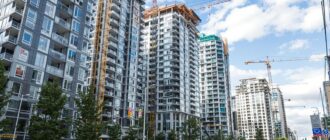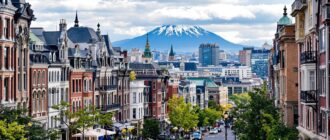

The application to transform Oakridge into a community of 2,800 units in nine towers and a bank of townhouses, a park on the roof of the mall, and more is sure to generate a lot of public interest in the coming months.
Open houses are next week, Nov. 15 and 17.
My Globe story with the preliminary look at the complete design is here and the application to the city is here.
A Vision for Urban Transformation
The Oakridge Centre redevelopment represents one of Vancouver’s most ambitious urban transformation projects in decades. This isn’t merely a renovation of an aging shopping mall—it’s a complete reimagining of how a suburban commercial center can evolve into a vibrant, mixed-use community that addresses the city’s pressing housing needs while creating new models for sustainable urban living.
The scale of the proposed development is staggering. With 2,800 residential units distributed across nine towers and complementary townhouses, the project would essentially create a new neighborhood within the existing urban fabric. This density represents a dramatic departure from the surrounding single-family residential areas, positioning Oakridge as a test case for Vancouver’s approach to urban intensification.
Architectural Innovation and Design Philosophy
The “terraced towers” concept reflects contemporary thinking about how high-rise buildings can better integrate with their surroundings and create more livable environments. Rather than imposing monolithic structures, the terraced design promises to break down the visual and psychological barriers that often make tower developments feel isolated from their communities.
The “floating canopies” mentioned in the application suggest an innovative approach to public space and weather protection—a crucial consideration in Vancouver’s climate. These architectural elements could create covered gathering spaces that encourage year-round community interaction while adding visual interest to the development’s streetscape.
Perhaps most intriguingly, the proposal includes a park on the mall’s roof—a bold example of how urban green space can be integrated into dense development. This elevated park would provide residents with recreational opportunities while potentially offering unique views of the city and mountains. The concept represents a sophisticated understanding of how vertical development can incorporate the outdoor lifestyle that defines Vancouver’s appeal.
Community Impact and Urban Planning Context
The Oakridge redevelopment comes at a crucial moment in Vancouver’s urban evolution. As the city grapples with housing affordability challenges and population growth, projects like this test the limits of how much change established neighborhoods can absorb. The site’s location at the intersection of Cambie Street and 41st Avenue positions it as a potential catalyst for broader area transformation.
The development’s proximity to the Canada Line SkyTrain creates opportunities for transit-oriented development that could reduce car dependency and support sustainable transportation patterns. This alignment with regional transportation planning demonstrates how individual projects can contribute to broader metropolitan goals.
Economic and Social Implications
The project’s economic impact extends far beyond its immediate footprint. With 2,800 units, the development would house approximately 5,000-7,000 new residents, creating demand for services, retail, and employment that could revitalize the broader area. The retained and expanded shopping component ensures that the site maintains its commercial function while adding residential vitality.
The mix of towers and townhouses suggests an attempt to create housing options for different demographics and income levels. This diversity could help avoid the homogeneous development patterns that sometimes characterize large-scale projects, potentially creating a more socially integrated community.
Public Engagement and Democratic Process
The upcoming open houses represent a critical moment in Vancouver’s democratic planning process. With 82 comments already generated by the initial announcement, public interest is clearly high. These sessions will provide residents with their first detailed look at how the development might reshape their neighborhood and city.
The public engagement process will likely reveal tensions between growth advocates who see the project as essential for addressing housing needs and neighbors concerned about traffic, infrastructure capacity, and neighborhood character. These discussions will test Vancouver’s ability to balance competing interests while making decisions that serve the broader public good.
Setting Precedents for Future Development
The Oakridge project’s approval process and eventual construction will establish important precedents for future large-scale developments across Vancouver. The innovative design elements, density levels, and community integration strategies could influence how the city approaches similar projects in other neighborhoods.
As Vancouver continues to evolve from a city of single-family homes toward a more dense, urban future, projects like Oakridge serve as laboratories for testing new approaches to livable density.