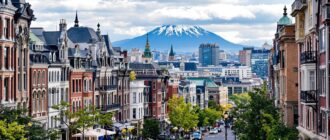

Watching the non-stop news on Japan and thinking of the earthquake in Christchurch, you have to wonder what exactly would happen in Vancouver if there were a similar earthquake.
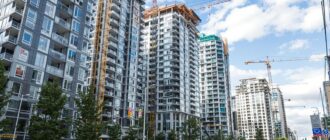
The tsunami rolling through the Sendai airport made me wonder about our airport. The stories of buildings pancaking in Christchurch made me think about how buildings in Vancouver might do.
Do we have the kinds of protections in place that Japan does, as outlined in this NYT story?
The parallels between Vancouver and these disaster-stricken regions are more significant than many residents realize. Like Japan, Vancouver sits on the notorious Ring of Fire, making it vulnerable to major seismic events. The Cascadia Subduction Zone, stretching from Northern California to Vancouver Island, has the potential to generate magnitude 9.0+ earthquakes similar to what devastated northeastern Japan.
Vancouver’s building codes have been substantially upgraded since the 1970s, incorporating lessons learned from earthquakes worldwide. However, the city still contains thousands of older buildings constructed before modern seismic standards were implemented. Unreinforced masonry buildings, particularly those built before 1973, remain especially vulnerable to collapse during major earthquakes.
The liquefaction risk in Vancouver presents another serious concern. Much of the city, including the downtown core and Richmond, sits on soft sediments that could behave like liquid during intense shaking. YVR Airport, built on Fraser River delta sediments, faces similar risks to what we witnessed at Sendai Airport, though Vancouver’s coastal geography offers some protection from Pacific tsunamis.
Vancouver’s emergency preparedness efforts have intensified in recent years, with updated building codes, improved early warning systems, and enhanced disaster response protocols. The city has conducted extensive seismic assessments of critical infrastructure, including hospitals, schools, and bridges, identifying vulnerabilities and prioritizing retrofits.
However, experts consistently warn that Vancouver remains underprepared for a major earthquake. The city’s rapid population growth has outpaced infrastructure improvements, and many essential services could be disrupted for weeks or months following a major seismic event. The psychological and economic impacts could be devastating, potentially affecting the entire regional economy.
The sobering reality is that while Vancouver has made significant strides in earthquake preparedness, the city would likely face catastrophic damage and casualties in a major earthquake, underscoring the urgent need for continued investment in seismic resilience.