
I was on CKNW yesterday grousing about the abrupt demolition of the Mount Pleasant pool building (which means the pool won’t operate this summer, of course) and the absence of any definitive plan for replacing it, when park board chair Aaron Jasper phoned in and said they are definitely looking at how to include it in the next three-year capital plan.
I’m awaiting more news on this.
The timing of the Mount Pleasant pool demolition has left many residents feeling blindsided and frustrated. The facility, which served the community for decades, was torn down without a concrete replacement strategy in place – a decision that speaks to broader issues with the Park Board’s capital planning process. The fact that an entire swimming season will be lost represents more than just an inconvenience; it’s a significant blow to community health and recreation in one of Vancouver’s most densely populated neighborhoods.
Aaron Jasper’s on-air commitment to “definitely looking at” inclusion in the capital plan sounds reassuring, but experienced observers of municipal politics know that such language often translates to “we’ll consider it if we can find the money.” The reality is that outdoor pools are expensive infrastructure projects, typically costing several million dollars when properly built with modern filtration systems, accessibility features, and adequate changing facilities.
What makes this situation particularly concerning is the pattern it represents. Vancouver has been steadily losing outdoor swimming facilities over the past two decades, with pools in Sunset, Hastings, and other neighborhoods disappearing without replacement. Each closure follows a similar script: aging infrastructure is deemed too expensive to maintain, demolition proceeds quickly, and replacement promises get caught in budget deliberations that can stretch for years.
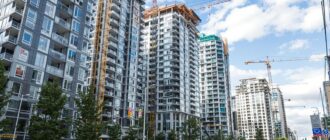
The Mount Pleasant community has legitimate reasons to be skeptical. The area is experiencing rapid densification through rezoning and development, which means the demand for recreational facilities is actually increasing just as this key amenity disappears. Young families moving into new condos and townhouses were likely counting on local recreational infrastructure that simply won’t exist for the foreseeable future.
From a broader policy perspective, this situation raises questions about the city’s commitment to maintaining recreational equity across neighborhoods. Kitsilano Beach and Second Beach pools receive ongoing investment and maintenance, while inner-city facilities like Mount Pleasant seem to be treated as expendable. This creates a two-tiered system where affluent beachside communities enjoy world-class outdoor swimming while working-class neighborhoods lose their pools entirely.
The three-year capital planning cycle that Jasper referenced also presents challenges. Even if Mount Pleasant pool makes it onto the plan, actual construction could be years away. Meanwhile, residents will continue paying taxes for recreational services they can’t access in their own neighborhood. The Park Board needs to explain how this serves the public interest and what interim measures might be available.
Given Vancouver’s climate and the importance of outdoor recreation to public health, every lost swimming facility represents a step backward for community well-being.