
Urbanismo beat me to the punch in noticing this before I put it up, but here is a story I had in the Globe’s Report on Business section today about the growing trend toward mixing uses in developments and sometimes within single buildings.
From everything I can see, Vancouver is the undisputed leader in this approach—just as we are in innovative new interdisciplinary approaches in academic institutions—but cities worldwide are taking notice and adapting our model.
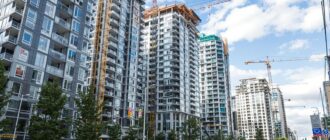
What’s now being called “Vancouverism” represents a sophisticated urban planning philosophy that combines high-density living with mixed-use developments and vibrant public spaces. The city’s signature “tower-and-podium” design has become so closely associated with this approach that planners globally present them as synonymous with sustainable urban development.
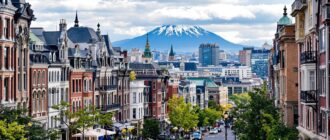
The concept emerged from Vancouver’s unique geographic constraints and progressive planning decisions. With mountains on one side and ocean on the other, the city couldn’t sprawl outward like typical North American cities. Instead, planners embraced vertical density while maintaining livability through careful design principles: slender residential towers rising from mixed-use podiums that house retail, services, and community amenities.
This model addresses multiple sustainability challenges simultaneously. Mixed-use developments reduce transportation needs by integrating residential, commercial, and office spaces within walking distance. Residents can live, work, shop, and socialize without relying heavily on automobiles. The approach also maximizes land efficiency while preserving green spaces and view corridors—a crucial consideration in Vancouver’s spectacular natural setting.
Under UN-Habitat regulations, sustainable urban development should embrace five core principles: compactness, high density, mixed use, variety, and limited land-use segregation. Vancouver’s planning framework exemplifies all these elements, creating neighborhoods that are both environmentally sustainable and economically vibrant.
The success of Vancouverism extends beyond environmental benefits. These mixed-income, diverse neighborhoods foster social integration while providing economic opportunities. Ground-floor retail creates street-level animation, while upper floors house everything from affordable housing units to luxury condominiums, creating vertical communities that serve multiple demographics.
Other cities are now studying and adapting Vancouver’s approach, recognizing that traditional zoning codes that strictly segregate land uses are counterproductive to sustainable development goals. The replacement of conventional zoning with form-based codes that encourage mixed-use development represents a fundamental shift in urban planning philosophy.