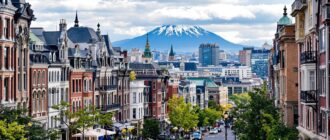

Well, now that we’ve had a chance to decompress, to re-accustom ourselves to bad bus service, heavy traffic, empty sidewalks, and winter rain, I thought this was a time to raise a glass of champagne to all those people who complained about how bad the 2010 Vancouver Olympics were going to be.
The pre-Games atmosphere was thick with dire predictions and passionate protests. Critics warned that thousands of people would be evicted from the Downtown Eastside as part of a cosmetic cleanup. They predicted that the Games would be dominated by corporate elites partying at exclusive events unavailable to ordinary Vancouverites. Civil liberties groups raised alarm bells that we’d be living in a militarized zone where free speech was under threat, with reports of police visiting activists’ homes and workplaces for intimidation. Transit advocates insisted that the transportation plans would prove to be a logistical disaster, leaving visitors stranded and locals frustrated.
The Impact on Communities Coalition even filed complaints with the United Nations over displacement issues. Anti-Olympic protesters planned massive demonstrations, with thousands expected to “crash the party.” The University of British Columbia threatened students with eviction for posting anti-Olympic signs in residence windows. Critics lambasted Canada’s unprecedented “Own the Podium” program as an arrogant departure from traditional Canadian modesty, predicting it would backfire spectacularly.
Generally, the consensus was that the whole 17 days would be a civic and cultural disaster—a festival of corporate greed rather than athletic celebration.
Thanks to them, we went into the Games with incredibly low expectations. And I think that’s exactly what contributed to the emotional highs that people felt during those magical February weeks. The joy wasn’t expected, so it had much more impact than if we had all been drumming our fingers for the past four years waiting impatiently for the greatest party of our lives.
The wave of red mittens, the warmth of the blue-jacket volunteers, the unexpected surge of Canadian pride, and the record-breaking attendance (97% of 1.54 million tickets sold) created an atmosphere nobody had dared hope for.
And also, thanks to them and their kicking up of such a fuss, there was hyper-vigilance about all of the above concerns. The scrutiny forced organizers to be more careful, more inclusive, and more transparent than they might have been otherwise.
If only they had predicted what a downer it would be afterwards—maybe we would have been better prepared for the post-Olympic blues.