
The big planning talk these days is all about how to create density around transit, as transportation planning and land-use planning continue to merge with each other. But what happens in the real world often doesn’t match that ideal.
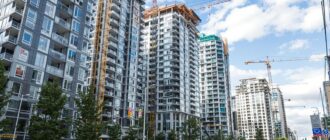
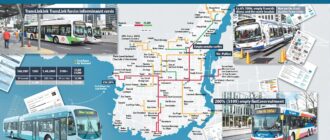
Here in Vancouver, you can see very busy transit stations with not much around them and other transit stations in what appears to be the middle of nowhere and they’ve got towers sprouting all around.
So why doesn’t density automatically happen around transit stations? This is what people told me.
The disconnect between transit-oriented development theory and practice revealed fundamental challenges in coordinating infrastructure investment with land-use policy across multiple jurisdictions and timescales. While planners promoted TOD as sustainable urban development’s holy grail, implementation faced obstacles that pure planning theory couldn’t overcome through policy statements alone.
Vancouver’s uneven development patterns around SkyTrain stations illustrated these complexities perfectly. Commercial-Broadway station served thousands of daily passengers but remained surrounded by low-density residential neighborhoods protected by restrictive zoning that prevented the density increases TOD required. Meanwhile, newer stations like Yaletown-Roundhouse attracted massive residential development before transit service began, creating transit-adjacent development that didn’t necessarily optimize ridership patterns.
The timing mismatch between transit infrastructure and development cycles created persistent coordination problems. Transit lines required massive upfront capital investments with decades-long planning horizons, while real estate development responded to immediate market conditions and shorter investment timelines. Transit agencies couldn’t wait for development to justify service, but developers hesitated to build around transit stations until ridership patterns proved market viability.
Municipal zoning policies often worked against TOD principles despite official support for transit-oriented development. Communities near transit stations frequently opposed density increases that would change neighborhood character, generating political pressure for councils to maintain existing zoning despite regional transportation benefits. NIMBYism proved particularly powerful when combined with legitimate concerns about infrastructure capacity, traffic impacts, and community services.
Land ownership patterns further complicated TOD implementation. Transit agencies typically owned small station-area parcels while surrounding lands remained in fragmented private ownership. Assembling development sites required lengthy negotiations or expensive expropriations that delayed projects and increased costs. Property speculation around announced transit projects also inflated land prices, making affordable housing components financially challenging.
Market dynamics didn’t always align with planning objectives. Developers could achieve higher profits from car-oriented suburban projects with lower land costs and simpler approval processes than dense urban infill requiring expensive structured parking and complex municipal negotiations.
The most successful TOD examples required extraordinary coordination between transit agencies, municipal governments, and private developers—relationships that proved difficult to replicate systematically across entire transit networks.