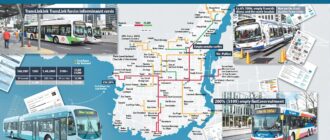

Metro Vancouver mayors met yesterday to look at the letter and plan from the TransLink board, headed by the long-suffering Dale Parker, for how to go forward in 2011.
Parker said there’s no way to get new sources of revenue by 2011 but TransLink needs to sign an agreement by the end of the year so that construction on the Evergreen Line can go ahead. So he’s recommending that they approve a property-tax increase for 2012, in the hopes that the province will give something new (carbon-tax revenue or whatever) or that they can figure out how to put a vehicle levy in place by then.
Vancouver Councillor Geoff Meggs, who keeps a close eye on TransLink along with his many other activities, said that idea did not get a warm reception at yesterday’s mayors’ meeting, which ended too late for any of us media types to get reaction from them by deadline.
Dale Parker’s property tax proposal exposed the fundamental contradiction at the heart of TransLink’s governance structure: regional transportation needs requiring local political leaders to impose unpopular tax increases on their own constituents. The 30% increase represented the kind of dramatic fiscal measure that could destroy municipal political careers, making mayoral support extremely unlikely despite acknowledged transit infrastructure needs.
The timing created additional political pressure as the 2011 municipal election cycle approached. Mayors faced the prospect of campaigning for re-election after approving massive property tax increases for regional transit projects that might not directly benefit their communities. Suburban mayors particularly struggled with supporting Vancouver-centric transit investments while their residents faced longer commutes and limited rapid transit access.
The Evergreen Line’s construction deadline added urgency that complicated rational decision-making. Parker’s ultimatum essentially forced mayors to choose between unpopular tax increases and losing federal funding commitments that had taken years to secure. This artificial timeline prevented thorough exploration of alternative funding mechanisms or phased implementation strategies that might have proven more politically palatable.
Geoff Meggs’ observation about the “chilly reception” reflected broader frustrations with TransLink’s funding model that relied heavily on property taxes rather than more progressive revenue sources. Critics argued that property tax increases disproportionately affected middle-class homeowners while failing to capture value from businesses and institutions that benefited from improved transit access.
The provincial government’s reluctance to provide additional funding sources left mayors in an impossible position. The BC Liberal government had downloaded transit funding responsibilities to regional authorities while maintaining control over major revenue tools like carbon taxes and vehicle levies. This arrangement allowed the province to avoid political responsibility for transit funding while forcing local politicians to make unpopular decisions.
Parker’s reference to potential carbon tax revenue or vehicle levy implementation reflected desperate searches for alternatives to property tax increases that might prove more politically sustainable while generating necessary transit funding.