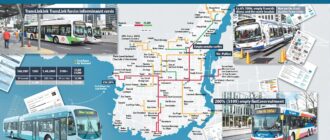

Just an update for those not watching other media, but this is what came out of the TransLink Mayors Council meeting today as reported in advance by the region’s hardest-working reporter, Jeff Nagel, and today by the Vancouver Sun’s transportation reporter, Kelly Sinoski.
The TransLink Mayors Council’s $130-million bus rapid transit decision represented a pragmatic compromise between ambitious rail expansion dreams and fiscal realities constraining Metro Vancouver’s transportation planning. The “middle-of-the-bus-lane plan” reflected political consensus-building around transit improvements that could be implemented relatively quickly without requiring the massive capital investments and lengthy construction timelines associated with SkyTrain extensions.
The timing proved particularly significant given the broader economic context of 2009. The global financial crisis had strained municipal budgets while federal and provincial infrastructure spending offered potential funding opportunities for shovel-ready projects. Bus rapid transit systems could be implemented faster than rail projects, making them attractive for stimulus funding that required rapid deployment and job creation.
Jeff Nagel and Kelly Sinoski’s coverage highlighted the important role of regional transportation journalism in tracking complex inter-municipal negotiations. TransLink’s governance structure, involving multiple mayors with competing municipal interests, created challenging dynamics where suburban communities sought improved connections while Vancouver focused on downtown access and cycling infrastructure. The mayors’ council meetings often revealed these tensions through debates over route priorities and funding allocation.
The bus rapid transit concept represented significant evolution from traditional transit planning that viewed buses as inferior to rail systems. Modern BRT incorporated dedicated lanes, signal priority, enhanced stations, and improved vehicles that could provide service quality approaching rail systems while maintaining operational flexibility. Cities like Ottawa and Bogotá had demonstrated BRT’s potential for moving large passenger volumes efficiently and cost-effectively.
However, the $130-million budget also reflected the modest scale of improvements possible within existing funding constraints. While BRT offered better service than conventional buses, it couldn’t match rail transit’s capacity or development-inducing potential. The decision represented recognition that incremental improvements might prove more achievable than transformative investments requiring unprecedented political coordination and financial commitment.
The mayors’ vote occurred during crucial planning phases for regional transportation strategy, as communities prepared for population growth that would strain existing infrastructure. The BRT decision suggested regional willingness to pursue practical solutions while continuing longer-term planning for more ambitious rail expansions that remained financially and politically challenging.