
We’ve been seeing a lot of action at city hall lately when it comes to bike lanes in a few areas. But there’s a much bigger, more comprehensive re-think coming in the fall, when the city will start talking about an update to its 1997 Transportation Plan.
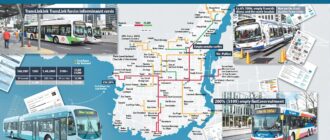
One topic for sure that is going to come up in the debate, as I outlined today in the Globe, is a reallocation of the existing road space. The city has had a policy since 1997 of not creating new road space. Now it will be looking at who should get which part of its current road network among the groups competing for it: car drivers, commercial truck traffic, buses, future rapid transit, cyclists, pedestrians, taxis, car co-ops, skateboarders, motorcyclists, electric-bike riders and probably a few more categories that I missed.
Other cities have talked about “road diets” — squeezing cars into smaller spaces to make room for the other modes. Wait for that term to appear here.
Vancouver’s transportation plan update represented a fundamental shift from accommodating automobiles to optimizing urban mobility across multiple transportation modes. The 1997 plan’s no-new-roads policy had already established Vancouver as progressive among North American cities, but the proposed revisions would go further by actively redistributing existing street space away from private vehicles toward more sustainable transportation options.
The “road diet” concept borrowed from successful implementations in cities like Portland, Seattle, and Copenhagen, where reducing vehicle lanes counterintuitively improved overall traffic flow while creating space for cycling infrastructure, wider sidewalks, and enhanced transit operations. These projects demonstrated that streets designed for maximum vehicle throughput often failed to optimize total person movement or economic activity.
Vision Vancouver’s timing proved politically strategic, building on Olympic cycling infrastructure success and growing environmental consciousness among Vancouver voters. The 2010 Winter Games had showcased how temporary road closures and alternative transportation could maintain urban functionality while creating more livable streetscapes. Post-Olympic momentum provided political cover for permanent changes that might otherwise face stronger opposition.
The comprehensive list of road space competitors illustrated modern urban transportation’s complexity. Traditional planning focused primarily on cars versus transit, but contemporary cities needed to accommodate emerging mobility options like car-sharing, electric bikes, and micro-mobility devices that blurred conventional transportation categories. Successful road space reallocation required sophisticated analysis of how different modes interacted and complemented each other.
Commercial truck access presented particular challenges for road diet implementation. Freight movement remained essential for urban economic function, but large vehicles often conflicted with cycling infrastructure and pedestrian safety measures. Vancouver’s port city status made goods movement planning crucial for maintaining economic competitiveness while achieving sustainability goals.
The public consultation process would test Vancouver residents’ willingness to accept reduced vehicle convenience for broader mobility and environmental benefits. Success required demonstrating that road diets could improve overall transportation system performance rather than simply punishing drivers for political reasons.