
Take a close look at this idea. It could be a reality.
Many design competition entries are fanciful exercises that don’t go anywhere. But this one has a high-powered team, if you’ll notice, and I have heard this idea being talked of favourably around city hall at various points.
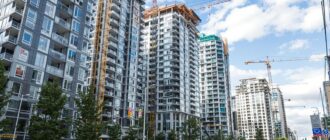
The road space housing proposal represented one of Vancouver’s most radical approaches to addressing the city’s affordability crisis while challenging fundamental assumptions about urban land use priorities. The concept of converting vehicular infrastructure into residential space offered compelling solutions to two interconnected problems: housing shortages and car-dominated streetscapes that limited livable urban environments.
Vancouver’s design competition attracted international attention for encouraging bold thinking about urban development constraints. Unlike typical architectural competitions focused on individual buildings, this initiative sought systemic solutions that could transform how cities approached land use trade-offs. The winning proposals demonstrated how creative professional teams could reimagine urban infrastructure beyond conventional planning categories.
The “high-powered team” reference proved significant because implementation of radical urban design concepts required both technical expertise and political influence. Successful urban transformation projects needed architects capable of detailed design work, planners who understood regulatory frameworks, engineers who could address infrastructure challenges, and politically connected advocates who could navigate municipal approval processes.
The favorable City Hall reception indicated Vision Vancouver’s openness to unconventional solutions during a period of mounting housing pressure. Traditional zoning approaches had failed to generate sufficient affordable housing supply, creating political space for experimental approaches that previous administrations might have dismissed as too disruptive or technically challenging.
Converting road space to housing aligned with broader transportation policy shifts emphasizing active transportation over vehicle accommodation. Vision’s cycling infrastructure investments and transit-oriented development policies demonstrated willingness to repurpose street space for non-automotive uses. Housing represented the logical extension of this philosophy, maximizing land use efficiency while reducing car dependency.
The proposal’s potential for “reality” distinguished it from purely theoretical design exercises. Vancouver’s compact geography, limited developable land, and progressive political leadership created conditions where innovative land use concepts could achieve implementation if technical and financial challenges proved manageable.
However, significant obstacles remained: engineering requirements for building over active roadways, utility relocations, traffic impact management, and community acceptance of dramatic neighborhood changes that would fundamentally alter familiar streetscapes.