
Gregory Henriquez and his father Richard are two architects who have marked this city indelibly.
There has been a lot written about their individual approaches to architecture, available for all to read. Instead, in this profile, I look at the personal and professional relationship between the two and its effect on Gregory.
http://www.vanmag.com/News_and_Features/Profile_Gregory_Henriquez
The Henriquez architectural legacy represents one of Vancouver’s most significant father-son professional dynasties, spanning generations of urban development and social housing innovation. Richard Henriquez established himself as a pioneering architect in the 1970s and 1980s, creating distinctive buildings that challenged conventional modernist approaches while responding to Vancouver’s unique urban context and social needs.
Gregory’s emergence as an architect in his father’s shadow presented both extraordinary opportunities and complex challenges. Growing up surrounded by architectural discourse, construction sites, and design philosophy provided unparalleled education, but also created pressure to establish independent creative identity while honoring family legacy.
Their collaborative work on projects like Woodward’s redevelopment showcased how generational perspectives could enhance architectural practice. Richard’s experience with social housing and community engagement combined with Gregory’s fresh approaches to urban density and mixed-use development, creating buildings that addressed both practical housing needs and broader urban design objectives.
The personal dynamics between father and son architect inevitably influenced their professional relationship. Architecture firms face unique succession challenges when family relationships intersect with creative collaboration and business management. Gregory’s development as an architect required navigating between learning from his father’s expertise and establishing his own architectural voice.
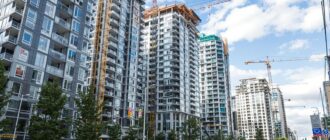
Their individual approaches to architecture reflect generational differences in urban planning philosophy and social priorities. Richard’s work emerged during Vancouver’s urban renewal era, when architects grappled with creating humane alternatives to failed housing projects. Gregory’s practice developed during Vancouver’s densification boom, requiring different responses to affordability crises and neighborhood change.
The Henriquez family’s cumulative impact on Vancouver’s built environment extends far beyond individual buildings, influencing the city’s approach to social housing, heritage preservation, and community-centered development that continues shaping Vancouver’s urban evolution.