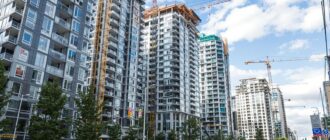

The Village, as it’s now called, is full of life these days, with more people and shops around all the time. London Drugs is due to open any day, from what I understand.
But, although things look better than they did 18 months ago, the numbers still don’t add up to anything near like a profit or break-even for the city at this point.
I took a look at the latest report filed by the receiver, just recently, to find some of the information for this story in the Globe, which shows that after $157 million in sales and another $8 million in rental revenues the last six months, the city netted $114 million. Which means a ways to go on both its construction loan and the unpaid sale price of the land.
The Olympic Village’s transformation from “ghost town” to vibrant neighborhood masked persistent financial challenges that continued plaguing Vancouver taxpayers. Despite improving street-level activity and steady condo sales, the project’s complex financial structure ensured that visual success didn’t translate to fiscal recovery.
The decision to sell market-rental units en bloc revealed the city’s strategic shift from property management to debt recovery. Managing rental properties required ongoing operational expertise that the city lacked, while bulk sales provided immediate capital to reduce outstanding debt. However, this approach sacrificed long-term rental income for short-term financial relief.
High operating expenses eroded sales profits through multiple channels: property management costs, marketing expenses, legal fees, and carrying costs on unsold inventory. The receiver’s report highlighted how these expenses consumed significant portions of gross sales revenue, leaving the city with net proceeds far below headline sales figures.
The $114 million net recovery against much larger outstanding obligations illustrated the project’s fundamental financial mathematics. The city’s total exposure included construction loans, unpaid land purchase prices, and accumulated carrying costs that far exceeded realistic recovery expectations from remaining asset sales.
London Drugs’ imminent opening symbolized the neighbourhood’s commercial viability while underscoring the irony of the situation: the Olympic Village was succeeding as urban development while failing as municipal investment. The community’s growing vitality made the financial losses more painful by demonstrating what might have been achieved with better initial financial planning.