
While debates rage about Vancouver’s budget shortfall elsewhere, we pause for a station break here to look at something completely different. Here’s a story I wrote for the Globe’s business section on how different municipalities handled planning for development along the Canada Line and how.
In Vancouver, as I mention in the story and as readers of this blog know, the city is just getting started on its planning process for the Cambie corridor, aka Canada Line. It will be interesting to see what plans they come up with in comparison with what Richmond did already as it strategized about what it wants around its transit stations.
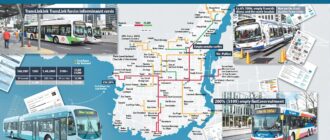
The Canada Line’s opening in August 2009 created a fascinating study in municipal planning approaches. While Vancouver dithered, Richmond seized the opportunity aggressively, launching comprehensive transit-oriented development planning five years before the line even opened.
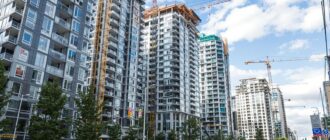
Richmond’s proactive strategy paid off spectacularly. The suburb used the $1.5 million offered by the Canada Line project to envision dense “transit villages” around each of its five stations. City planners originally projected 156,000 residents by 2021 – tripling the existing 40,000 – but refined this to 120,000 residents plus 80,000 jobs to ensure balanced mixed-use development.
The contrast with Vancouver was stark. Despite receiving the same $1.5 million planning grant, Vancouver only approved a work program in July 2009 – seven years after Canada Line discussions began. City planners cited Olympic preparations and other priorities, but the delay baffled regional observers and developers eager to capitalize on transit-oriented development opportunities.
Richmond’s approach attracted immediate investment. A Malaysian developer planned a massive five-tower residential complex near Brighouse and Lansdowne stations, replacing a car dealership with exactly the kind of development Richmond encouraged. Meanwhile, Vancouver’s planning department actually opposed the Marine Gateway project near Marine Drive station, concerned about industrial land preservation.
The different approaches highlighted competing philosophies: Richmond embraced transit-oriented development as economic opportunity, while Vancouver struggled with competing land-use priorities and bureaucratic inertia.